Alice in Borderland: un gamer apprezza di più la vita rischiando la morte ogni giorno

È passato qualche anno da quando vidi la prima stagione di questa serie. Ero tornato dal Galles ormai da qualche mese appena terminata la mia laurea. Mi sarebbe piaciuto restare lì, ma era il periodo del Covid e della Brexit e fui quasi costretto a prendere un volo per Roma. È stato un periodo piuttosto buio della mia vita. Avevo giurato che non avrei mai più fatto ritorno nella casa della mia adolescenza. Non aver mantenuto fede alla mia promessa mi aveva devastato. Non avevo un lavoro, né la scusa degli studi. Passavo le giornate in completo isolamento. Tra i pochi svaghi che avevo l’immancabile lo-fi, Monster Energy, qualche libro, la televisione e Bloodborne.

Non c’è da meravigliarsi se all’epoca mi sono immedesimato subito in Arisu, il protagonista di Alice in Borderland. Ma andiamo per ordine: Arisu è un neet (neither in employment or education: non lavora né studia) e passa le giornate chiuso in camera a giocare ai videogame. Un fenomeno tristemente noto soprattutto in Giappone, patria degli hikikomori, persone che non escono mai al di fuori della propria camera (per un approfondimento completo cliccare qui).

Arisu non ha prospettive per il futuro. Suo padre lo guarda dall’alto in basso e lo paragona sempre a suo fratello, il quale ha completato con successo il ciclo di studi e ha un lavoro. L’unico suo sfogo risiede nell’ottenere il punteggio più alto negli sparatutto e uscire con i suoi due amici Chōta e Karube. Un giorno, dopo essere stato bacchettato per l’ennesima volta da suo padre per il suo stile di vita, Arisu decide di incontrarsi con i suoi amici in una mattina di calda estate al centro di Tokyo.

Per un attimo tutto sembra aver senso per Arisu e prende respiro dalle ansie che gli impediscono di vivere appieno il presente. L’idillio continua fino a quando la piazza di Shibuya viene scossa dal rombo di diversi fuochi d’artificio che illuminano la città nonostante sia pieno giorno.

Chōta, Arisu e Karube

D’un tratto, i tre amici si ritrovano in una versione alternativa di Tokyo. La natura ha preso il sopravvento: la vegetazione si è fatta strada tra i grattacieli che compongono la skyline della città. Sembra non esserci nessuno. La folla di Shibuya è scomparsa e non c’è segno di vita. I tre decidono di esplorare la città in cerca di risposte.

Il sole fa posto alla luna e nel cielo compaiono alcune scie luminose. Arisu, Chōta e Karube si dirigono in uno dei luoghi illuminati. Al loro ingresso nel palazzo di luce inizia il game Dead or Alive. Una voce robotica informa loro che non è più possibile uscire dal palazzo: pena la morte tramite un laser che compare dal cielo. Le regole sono semplici: il gruppo è costretto a scegliere una di due porte in cui entrare entro un certo limite di tempo. Una conduce a morte certa e l’altra è la via per la salvezza.

Viene scoperto in poco tempo che per sopravvivere in questa versione di Tokyo è indispensabile giocare a questi game mortali. Ognuno dei personaggi che è stato trasportato in quel mondo ha un visto con un certo numero di giorni. Al termine del visto, la persona muore. Per ottenere più giorni nel visto è quindi necessario superare i game.

Un qualcosa in cui Arisu si può definire un esperto. Si scoprirà con il passare della serie che molte persone si trovano in questa nuova versione della città. Nessuna ne sa il motivo e tutti sono alla ricerca di un modo per tornare a casa.

Questo è solo il primo episodio di una serie composta da due stagioni tratte dal manga di Haro Aso. Un manga all’apparenza fantascientifico ma che si pone importanti domande sul senso della vita e quanto sia importante viverla al meglio ogni giorno. Nel corso della serie, il passato dei personaggi verrà messo a nudo: ognuno ha il suo motivo per sopravvivere e tornare a casa e, allo stesso modo, ognuno ha un motivo che lo ha portato a sfuggire dai traumi della realtà esattamente come Arisu.
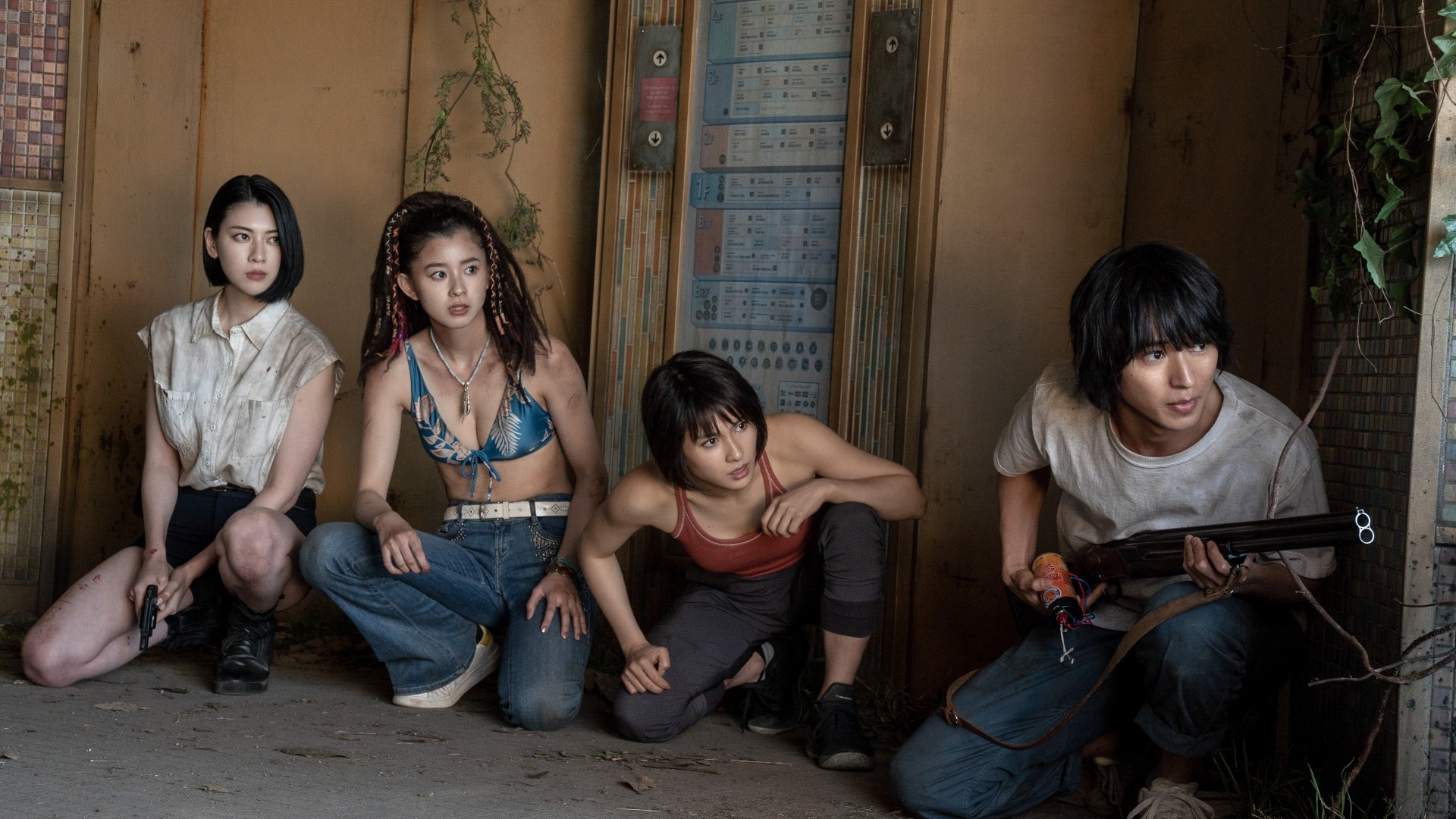
Non mi piace utilizzare troppo la parola “capolavoro” ma credo seriamente che sia uno degli aggettivi che più si addice a questa serie. Ha molti difetti, primo tra tutti un ritmo lento, ma racchiude un grandissimo messaggio di speranza. Anche nelle situazioni più orribili della vita è possibile trovare una ragione per continuare a respirare. Ogni giorno, per quanto cliché possa sembrare, potrebbe essere l’ultimo. Il finale della serie lascia veramente spazio al desiderio di rinascita che ognuno di noi ha sperimentato almeno una volta nella vita. Forse la vita che viviamo non è troppo differente da uno dei game descritti da quel genio di Aso. Non importa quanto siamo bravi: alla fine c’è un game over per tutti. Quello che conta però è vivere al meglio il viaggio che abbiamo scelto di intraprendere.

Molte cose sono cambiate nella mia vita da quando vidi la prima stagione della serie. E, in un certo senso, anche io sono cresciuto insieme ad Arisu in questi tre anni. Alice in Borderland è quel genere di storia a cui ritorni ogni volta che hai bisogno di conforto. Quella versione di Tokyo, esattamente come Silent Hill, è il luogo che ogni anima persa visita per ritrovare la redenzione o la distruzione totale. Altamente consigliato per chiunque.
Dragonball, lo-fi and Starbucks

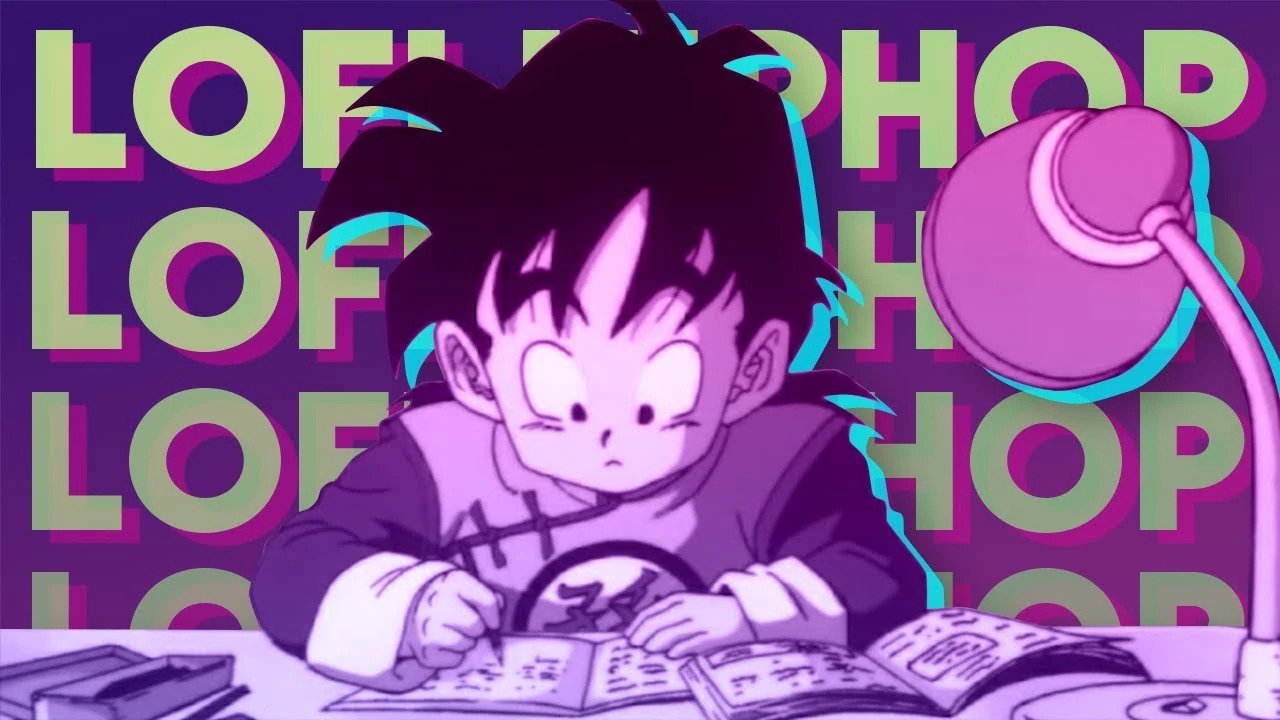
One of my favorite places in Milan is Starbucks Reserve. It’s not a normal Starbucks but a mix between a coffee shop and a roastery where you can drink a first-rate coffee blend. It is not the kind of place that I would have discovered on my own, and for this I have to thank my job that allowed me to write a story about it. And if there is one thing I love to mix with my coffee, that’s lo-fi. Holding a steaming cup of coffee in my hands while listening to lo-fi playlists is a ritual I indulge in every Sunday. It would be heaven on earth if it wasn’t for all the customers, but meeting lots of people is quite a high risk in Starbucks. It would be like complaining about the queue at McDonald’s.

On this particular day, with headphones ringing out the remixed openings of Dragonball in the Japanese version, I think back to my childhood and how similar I was to Goku as a kid: thoughtless, cheerful, combative, full of energy and stupid.

I can’t help but think that something must have gone wrong. I don’t have a bad life. I’d even be on the verge of saying that I like the life I’ve created for myself. Still, I can’t stop feeling like I’m living below my potential: I had something as a kid that, trauma after trauma, mixed with loneliness, may never come back.

I have tried many things: boxing, working hard like Elon Musk (or at least pretending), cultivating hobbies, friendships, relationships and so on. I’ve really put a lot of effort into this kind of stuff (even now all these activities take up a large part of my time) and my life has improved exponentially.

But this feeling still remains. Skipping even a workout, neglecting even for an hour my projects and small set backs that happen from time to time inevitably lead me to remember bad moments in my life that I could have avoided if I had been just a little stronger and smarte. I wonder how much more I can punish myslef for the mistakes I made in high school. It’s now been 8 years and I still use that stuff for motivation. It makes me survive but, at the same time, it consumes me. I am more present in the past than in the present (haha).


lofi lo-fi dragonball

This brings me back to a quote from Godor, blacksmith of Berserk: “Hate is one of those places where people who can’t face sadness seek comfort. Seeking revenge is like sharpening a blade rusted by blood by immersing it in a pool of blood. To mend the blade of your heart rusted by sadness, you’re sinking it in blood. But the more you sharpen it, the more it rusts. And the more it rusts, the more you sharpen it. In the end, you’ll be left with just a handful of rust.”

I have no hatred and certainly I have no desire for revenge but I still feel that reliving those memories every day is rusting me. Maybe I think they motivate me but, probably, they are just slowly wearing me down. In a way, I am grateful I had those negative experiences. I am convinced that those who have seen the negative side of life can also be able to see the most beautiful one. However, this requires a lot of work, commitment and even a certain amount of delusion.

It’s one of the reasons I’ve always liked Goku: he always believes he can defeat the next opponent no matter what. He certainly isn’t gifted with intelligence and sometimes he should have run away (fortunately there are dragon balls) but his stubbornness led him to literally become a God. It is no coincidence that many shonen protagonists are so incompetent at the beginning ( Naruto, Luffy) are built on this model: they are essentially losers with a heart of gold united by the desire to become stronger and stronger. It wouldn’t be bad if I were more like them. However, as I said before, my life has improved over the years and this, in itself, is a small victory.

Vinland Saga: hate and forgiveness

Is it really possible to change as a person? Can a human being animated by pure hatred and revenge become a pacifist? Vinland Saga was a pleasant surprise. After watching The Northman for the fifth time, I was obsessed by revenge stories. One of the first results on Google was Vinland Saga, a manga set in the Viking era. The plot was as simple as the one depicted in The Northman. A kills B and C seeks revenge for B with the clear intent of killing A. It is no coincidence that most of the stories featuring Vikings are about revenge. One of the most important deities of the Norse mythology is represented by Víðarr who embodies the very concept of revenge.

The god Víðarr will fight in the Ragnarǫk, the end of the world, and his task will be to avenge his father Odin. Revenge is the best tool to preserve honour and ego: it is not just something entirely negative. Hurting those who committed a crime is nothing but justice. Fearing retaliation for committing an injustice also has the function of stopping a crime before it happens.

“Brushwood grows and high grass

widely in Vidar’s land

and there the son proclaims on horseback

his eagerness to avenge his father”

If we did not pay for the crimes committed, how many of us would be guilty of the most serious offenses? A lot of us. And if we talk about justice, wouldn’t the concept of “forgiveness” perhaps be an affront to the victims? How could it be possible to forgive someone who has done a serious crime to you or to someone you care about? A theft, a violence, a humiliation, a murder? It could be argued that the old and dear concept of “an eye for an eye” can only lead to more despair and hatred, which would lead to a new act of retaliation, in an endless cycle of revenge. You really have to be an incredibly strong (or incredibly weak) person to let go of your revenge fantasies and focus on the future.

Vinland Saga: justice, revenge and honour

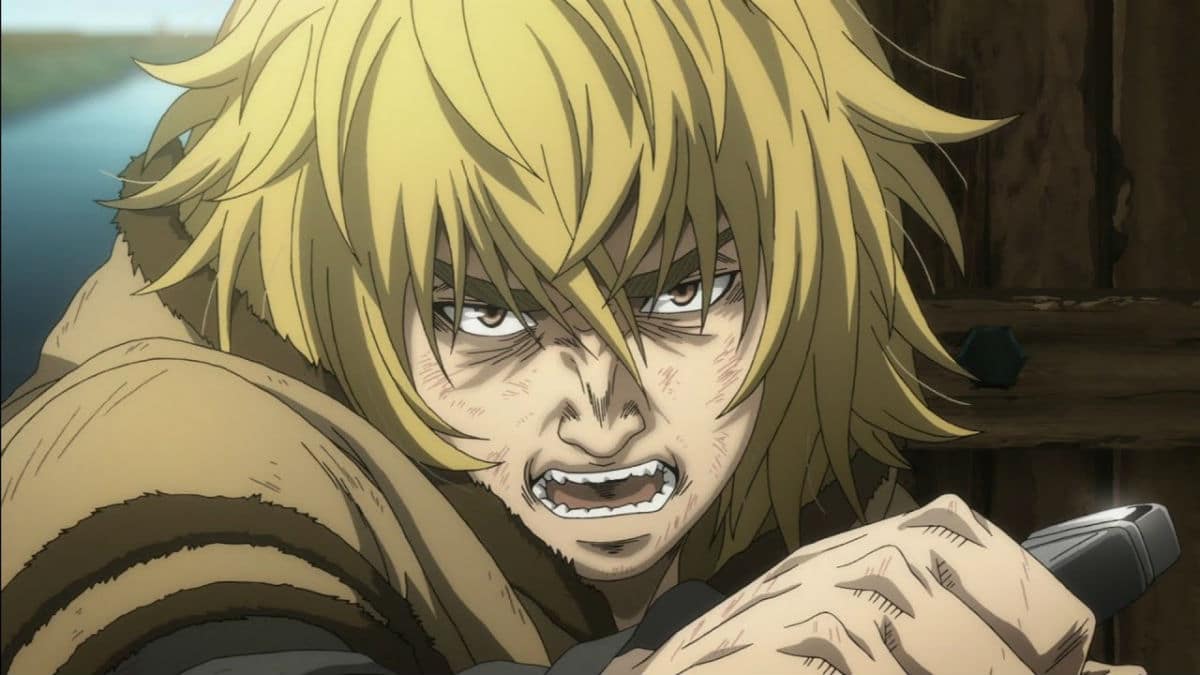
This is the riddle of Thorfinn, who saw his father die at the hands of a mercenary for no apparent reason. Thorfinn lets anger and hatred take over and he meditates revenge towards his father’s killer. He is only  six year old but he begins his training. Askeladd, his father’s killer, seeing potential in him, makes him a proposal: join his army, prove his worth in battle, and earn the right to face him in a duel to avenge his father. Thorfinn doesn’t intend to cut Askeladd’s throat in his sleep. That would not be honourable: he must avenge his father by honestly winning in a duel. And this is how young Thorfinn begins his apprenticeship under the command of his father’s killer.

“The strongest lives and the weakest die” become his new mantra and he acts accordingly, joining the Danes and raiding the cities of Great Britain. Until, by a fortuitous circumstance, his desire for revenge is stolen from him. This causes it to become an empty shell. Without revenge, Thorfinn is nothing. From there, he begins his journey towards healing, but it is never entirely possible to escape from the past (a very dear theme even to the latest God of War which, not surprisingly, deals with Norse mythology). Perhaps it is impossible to be non-violent in such a world.

Vinland Saga is a highly recommended manga that comes close to the moral ambiguity of Berserk and Vagabond.